
Naperville, IL 60563
Se Habla Español
Call Today for a Free Consultation
 630-448-2001


What Evidence Do I Need to Prove Hardship at an Illinois License Hearing?
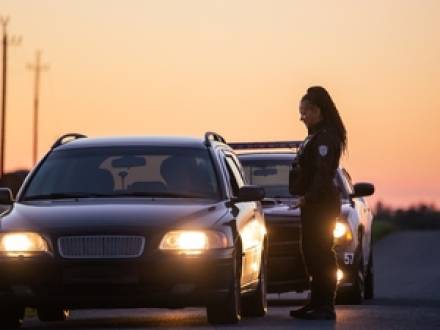 To prove hardship at an Illinois license hearing, you generally need documentation showing how a suspended or revoked license affects your life. This includes your ability to work, care for family members, or access necessary medical treatment. This type of hearing allows you to request limited driving privileges. The Secretary of State's office requires solid evidence before granting this relief, though.
If you're preparing for a hardship hearing in 2026, our DuPage County, IL license suspension lawyer can help you gather the right evidence and present a strong case.
What Is a Hardship License in Illinois?
A hardship license, also called a Restricted Driving Permit, allows some people with suspended or revoked driving privileges to drive for limited purposes. Under 625 ILCS 5/6-206, these purposes can include work, necessary medical care, certain educational needs, treatment or recovery activities, and some daycare needs.
To receive an RDP under this section, you must show that no reasonable alternative transportation is available. You also have to show that allowing you to drive will not endanger public safety or welfare.
The permit does not restore full driving privileges. It only allows you to drive for approved purposes, times, and locations. Some people with DUI-related driving histories must also use a Breath Alcohol Ignition Interlock Device, or BAIID.
What Documentation Proves Employment Hardship?
You'll need to show clear evidence connecting your employment to your need to drive if you're requesting a hardship license based on your job. Helpful documentation includes a letter from your employer confirming your job duties, work schedule, and the necessity of driving for your position. Pay stubs showing your income and work history help too.
If public transportation isn't a realistic option for your commute, showing proof of that can help strengthen your case. This might include bus or train schedules.
What Evidence Supports a Medical Hardship Claim?
Medical hardship claims generally require proof of the need for medical care. This may include documents showing your treatment schedule, appointment locations, and why you need to drive to receive necessary care. An RDP may also allow you to transport a family member who lives in your household to a medical facility for necessary medical care.
You must also show that reasonable alternative transportation is not available. Specific records about your medical needs and transportation options can help support your request.
How Does Your Driving Record Affect a Hardship Hearing?
Your driving history plays a significant role in how a hearing officer evaluates your request. A history of multiple violations or a pattern of driving under the influence can make it harder to demonstrate that you should be trusted with even limited driving privileges.
Evidence of completed treatment programs can help your case too. This includes alcohol or drug counseling, along with a clean record since your suspension. This evidence can help demonstrate that you're taking your situation seriously and working to prevent future violations.
What Happens if Your Hardship License Request Is Denied?
You may have the option to reapply if your request is denied. This applies after you address the specific concerns raised by the hearing officer. For example, you might need to complete additional treatment. You might also need to provide more detailed documentation. Understanding exactly why your request was denied is an important first step in determining how to strengthen a future application.
Working with an attorney to prepare a more thorough and well-organized presentation of your hardship can make a meaningful difference in some cases. This can improve the outcome of a subsequent hearing.
What Should You Do to Prepare for Your Hardship Hearing?
Taking the right steps before your hearing can significantly improve your chances of success. Helpful steps include gathering all relevant documentation well in advance. Be honest and thorough about the specific hardship you're facing. Consult with an attorney who understands what evidence hearing officers find most persuasive.
Practicing how you'll explain your hardship clearly and concisely can also help you present your case effectively during the hearing itself.
Contact Our Will County, IL License Reinstatement Attorney for a Free Consultation
At The Law Office of Patricia Magaña, LLC, we understand how disruptive a suspended or revoked license can be to your daily life. It can affect your ability to work, care for family, and manage basic responsibilities. We work closely with clients to gather compelling evidence and present the strongest possible case at hardship hearings.
Contact us at 630-448-2001 to talk to our DuPage County criminal defense lawyer today.



1555 Bond Street, Suite 103A, Naperville, IL 60563

Contact Our Firm
 The use of the Internet or this form for communication with the firm or any individual member of the firm does not establish an attorney-client relationship. Confidential or time-sensitive information should not be sent through this form.
I have read and understand the Disclaimer and Privacy Policy.