
Naperville, IL 60563
Se Habla Español
Call Today for a Free Consultation
 630-448-2001


What Happens if an Alleged Victim Recants a Domestic Violence Accusation?
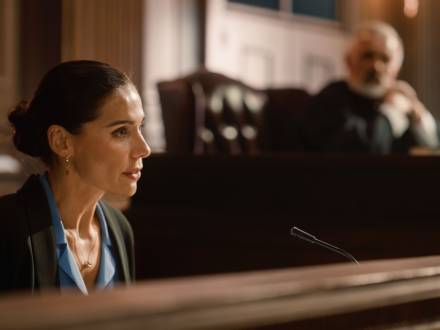
A domestic violence case in Illinois does not automatically end when the alleged victim takes back an accusation. Prosecutors can continue the case using other evidence, even if that person no longer wants to testify. However, changing a statement can raise questions about what really happened. If someone has taken back a domestic violence accusation against you in 2026, an Aurora, IL criminal defense lawyer can explain how this could affect your case.
Can Illinois Prosecutors Continue a Domestic Violence Case After a Recantation?
The prosecutor decides whether to continue the case, not the person who reported the incident. The alleged victim can ask for the charges to be dropped, but the State does not have to agree.
Under 720 ILCS 5/12-3.2, domestic battery involves knowingly causing bodily harm or making insulting or provoking physical contact with a family or household member without a legal reason. The law does not require the alleged victim to support the prosecution.
Why Do Prosecutors Review Both Statements When Someone Recants a Domestic Violence Accusation?
Prosecutors often want to know why someone changed their story. They know that fear, financial problems, family pressure, or concerns about children can affect a person's decision to testify.
However, a changed statement does not automatically mean someone was pressured. The person might be correcting a mistake or admitting that the first account was inaccurate.
The timing of a recanted accusation also matters. For example, someone who changes their story shortly after the incident may have a different explanation than someone who changes it just before trial. Neither situation proves what happened.
An attorney can compare both accounts with police reports, messages, and other records. Evidence that supports the new statement can help the defense challenge the original accusation.
What Happens if the Alleged Victim Refuses to Testify in an Illinois Domestic Violence Case?
Refusing to testify does not automatically end a domestic violence case. Prosecutors can require the person to appear in court through a subpoena. This is a legal order to attend a hearing or trial. A judge can penalize someone who ignores a valid subpoena.
If the witness testifies but changes their account, prosecutors can ask about earlier statements. Under 725 ILCS 5/115-10.1, the court can consider some earlier statements, including certain signed or recorded statements. The defense must have a chance to question the witness about the statement.
If the witness does not testify, there are limits on which statements to police the prosecutor can use. Other evidence, such as photos or some 911 calls, can still support the case. If the remaining evidence is too weak, the prosecutor could reduce or drop the charges.
Can You Contact Someone Who Recanted a Domestic Violence Accusation?
Contacting the alleged victim about the case can create serious problems. If a court order prohibits contact, you must follow it even if the other person contacts you first. Illinois law also makes it a crime to threaten, bribe, or improperly pressure someone about their testimony. Certain attempts to stop a witness from testifying truthfully are felonies.
Phone calls from jail can be recorded. Text messages, emails, and messages sent through other people can also become evidence. If the alleged victim wants to change their statement, let your attorney handle the matter. This helps protect your rights and avoids questions about whether you pressured the witness.
What Are the Consequences of an Illinois Domestic Battery Conviction?
A domestic battery conviction can affect your life long after the criminal case ends. Illinois does not allow court supervision for domestic battery. Convictions also cannot be cleared through the usual expungement or sealing process. However, dismissed charges and acquittals follow different rules.
A domestic violence conviction can affect your right to own or possess a gun. For some people with one qualifying misdemeanor involving a dating partner, the federal ban can end after five years. The five years start on the date of conviction or when the person finishes their jail term or supervision, whichever comes later. Other restrictions can still apply.
A conviction can affect child custody decisions, employment, and immigration status. Non-citizens can face serious immigration problems, including possible deportation.
Schedule a Free Consultation With Our Naperville, IL Domestic Violence Defense Attorney
A recanted accusation can help your defense, but it does not guarantee that charges will be dropped. Our attorney can review the original report, the changed statement, and other evidence. We work to find problems with the State's case and protect our clients' rights.
If you are facing domestic violence charges in 2026, contact Law Office of Patricia Magaña, LLC at 630-448-2001 to talk to our Aurora, IL criminal defense lawyer today.
Se habla español.




1555 Bond Street, Suite 103A, Naperville, IL 60563

Contact Our Firm
 The use of the Internet or this form for communication with the firm or any individual member of the firm does not establish an attorney-client relationship. Confidential or time-sensitive information should not be sent through this form.
I have read and understand the Disclaimer and Privacy Policy.